

Nigeria’s technology regulator is moving to convert years of cloud and data-center policy into enforceable action, telling global hyperscalers that the government is prepared to implement, and legislate where necessary, the frameworks required to unlock large-scale digital infrastructure investment.
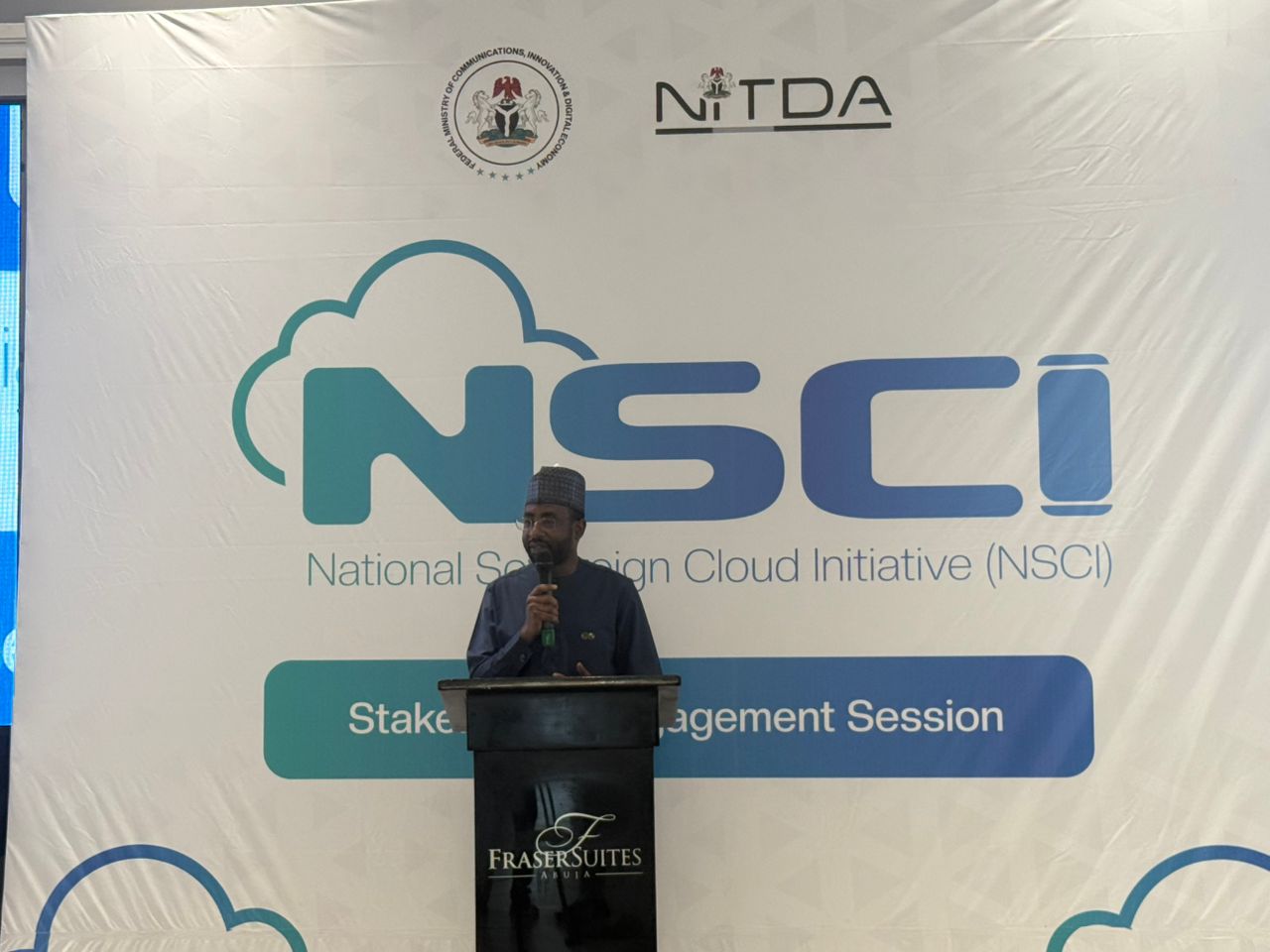
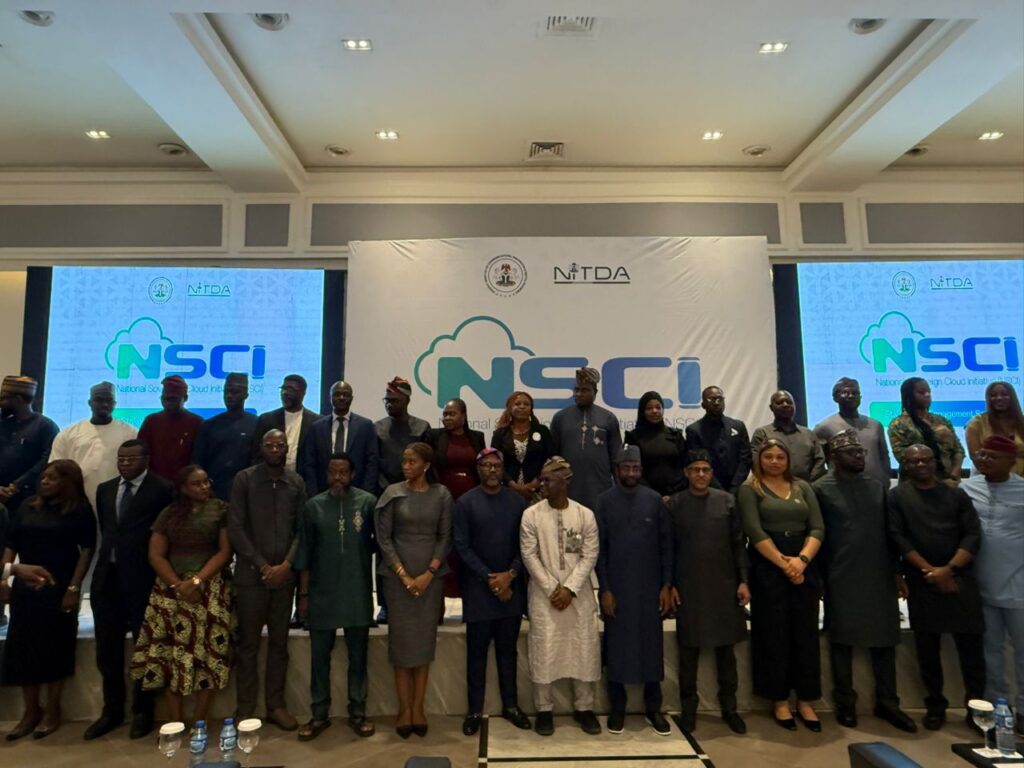
At a stakeholder workshop in Abuja this week, the Director General of the National Information Technology Development Agency (NITDA), Dr. Kashifu Inuwa Abdullahi, said the agency is ready to adopt enforceable policies, standards, and incentives to support cloud computing, data centers, and AI-era infrastructure. In its message to hyperscalers and investors, NITDA says that the government will enable, but the industry must lead.
“We are ready to implement any policy you want, even if it requires legislation,” Dr. Inuwa told participants, who included regulators, cloud providers, data center operators, and technology executives. “But we want you in the driver’s seat.”
The comments came as NITDA presented three draft frameworks developed over nearly two years by multi-stakeholder technical working groups, covering a national cloud investment strategy, a refreshed Cloud-First Policy, technical standards for cloud and digital infrastructure, and incentives to attract private capital. The committees were inaugurated in February 2025 and have since gathered input from industry practitioners, former public officials, and international advisers.
The refreshed Cloud-First Policy marks a renewed push to move Nigeria’s public institutions away from siloed, on-premise systems toward shared, scalable infrastructure. An earlier version adopted in 2019 helped initiate migration, but officials said it no longer reflects the realities of an economy increasingly dependent on data-intensive, always-on services.
“Systems today are interconnected, compute-hungry, and always on,” Dr. Inuwa said. “We cannot continue to build digital systems in isolation and expect them to scale.”
Regulators pointed to lessons from Nigeria’s cashless policy rollout, when banks and service providers struggled under infrastructure constraints. Many institutions are now migrating critical systems to the cloud, acknowledging that resilience and scale are difficult to achieve without shared infrastructure.
NITDA officials were careful to frame the initiative as broader than cloud adoption alone. The focus, they said, is digital sovereignty – control over critical digital systems and citizen data as cloud, AI, and data-driven services become embedded in daily life.
“This conversation is about defining how Nigeria secures, governs, and scales its digital future,” said Barrister Emmanuel Edet, Acting Director for Regulation and Compliance at NITDA. “Digital infrastructure now powers our economy, and citizen data must be secured within systems we understand and can govern. We are no longer debating whether Nigeria should pursue this path, but how to execute it – through the right strategy, governance models, and standards. This is not about closing doors or restricting participation; it is about creating clarity, shared responsibility, and shared opportunity.”
The emphasis comes as Nigeria seeks to position itself as a regional digital hub. The country hosts multiple subsea cable landings and sits adjacent to several landlocked markets that rely on regional connectivity. With the right infrastructure and policy alignment, NITDA believes Nigeria could anchor cloud, data, and digital services across West and Central Africa.
The agency stressed that the strategy is not protectionist. Local cloud providers alone cannot meet global-scale compute demand, and hyperscalers remain essential partners. But regulators want those partnerships structured around clear standards, predictable rules, and long-term alignment.
“We want hyperscalers to build with us,” officials said.
The government, Dr. Inuwa acknowledged, cannot fund the build-out alone. Its role is to create an enabling environment, while the private sector mobilizes capital and executes projects. That approach aligns with President Bola Tinubu’s Renewed Hope Agenda, which prioritizes economic diversification and private-sector-led growth.
The documents are expected to be finalized in the first quarter, with implementation plans to follow. For hyperscalers and infrastructure investors watching Nigeria, the test will be whether this shift from collaboration to enforcement produces bankable projects rather than another layer of policy. If it does, Nigeria could anchor the next phase of Africa’s cloud and data-center expansion.