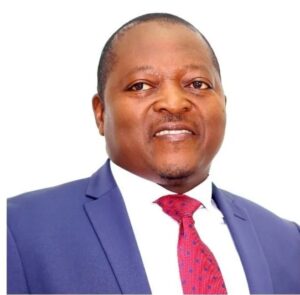

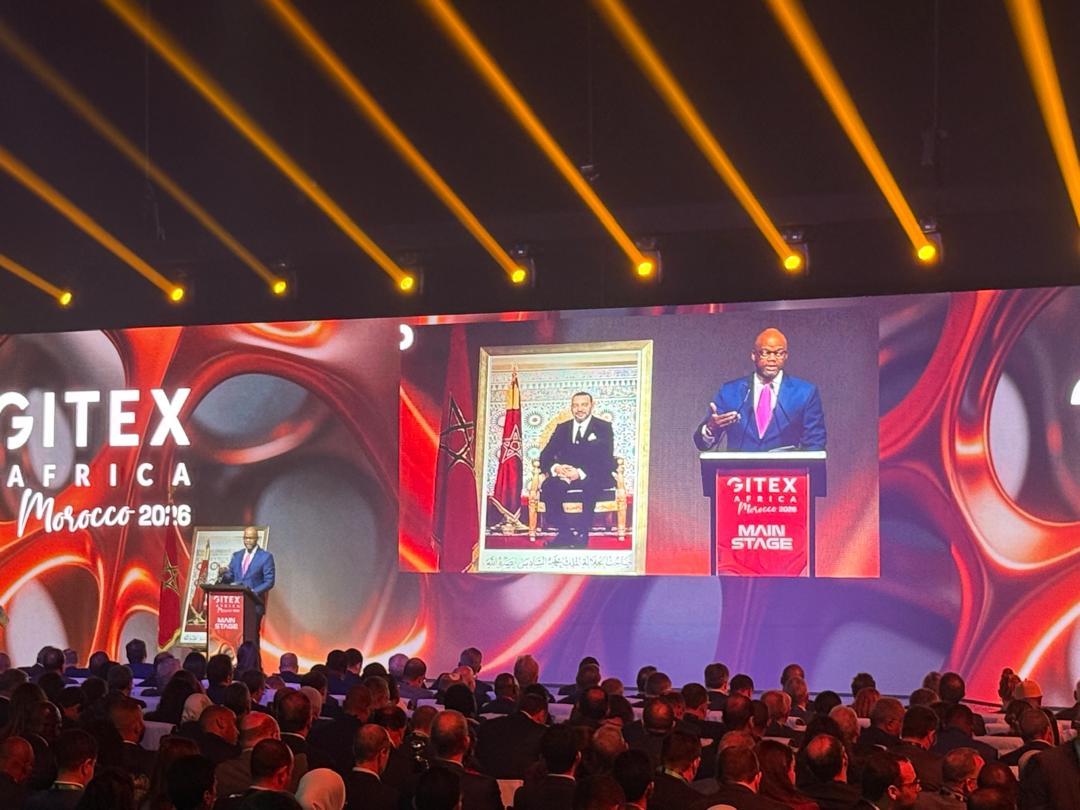
Africa will need more than 700 data centers to support the continent’s emerging digital trade architecture under the African Continental Free Trade Area (AfCFTA), according to H.E. Wamkele Mene, Secretary-General of the AfCFTA Secretariat, underscoring the scale of infrastructure investment required to unlock the next phase of continental integration.
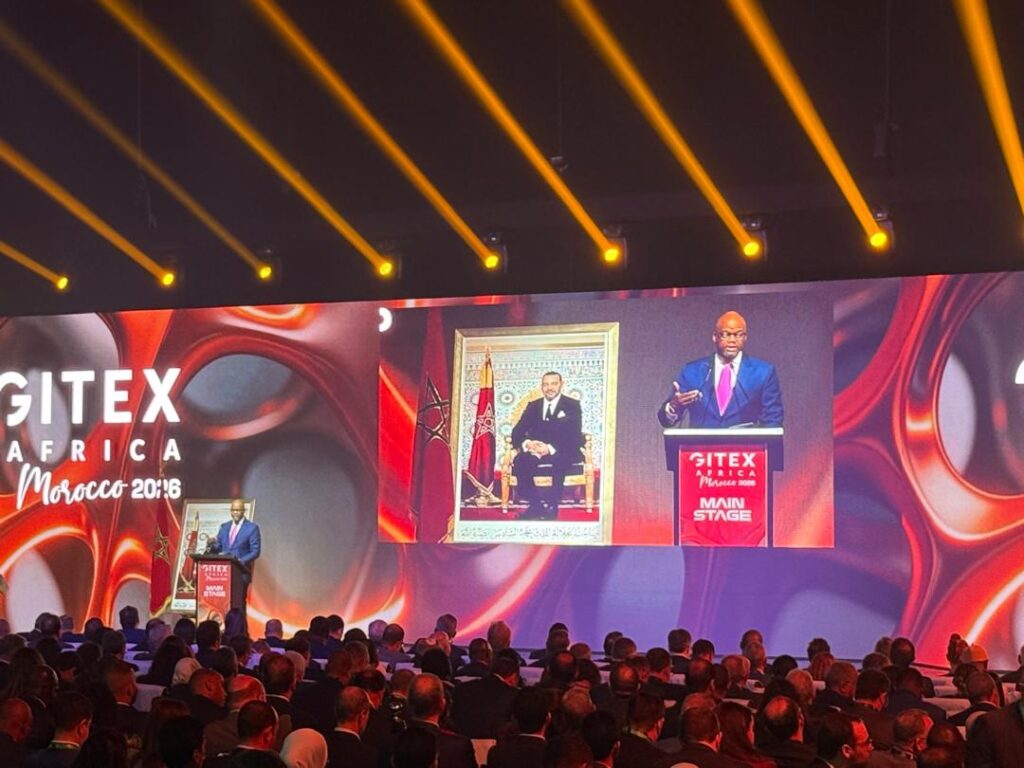
Speaking in Marrakech, Morocco at the GITEX Africa opening ceremony, Mene positioned digital infrastructure – particularly data centers, cross-border payments systems, and harmonized digital regulations – as foundational enablers of Africa’s $3.6 trillion single market ambition. The adoption of the Protocol on Digital Trade by African Heads of State signals a shift toward building the regulatory and technical foundations required to support intra-African digital commerce at scale, enabling private-sector participation, strengthening financial interoperability, and accelerating cross-border payments across the continent.
Yet the success of this framework will depend heavily on Africa’s ability to localize compute capacity. Mene’s estimate that more than 700 additional data centers will be required reflects a growing consensus among policymakers and investors that digital trade cannot scale without domestic infrastructure capable of hosting platforms, financial systems, and emerging AI workloads. Across Africa today, installed commercial data center capacity remains below 1% of global supply despite the continent accounting for nearly 18% of the world’s population, reinforcing concerns that compute localization is becoming the next major constraint on Africa’s digital economy expansion.
If implemented effectively, the Digital Trade Protocol could accelerate the development of regional cloud ecosystems and reduce reliance on offshore hosting for African enterprise workloads, supporting a digital economy projected to reach $721 billion by 2050. Mene noted that improving trade efficiency through digital integration would enhance competitiveness and expand opportunities for SMEs, particularly those led by women and young people, while strengthening Africa’s already fast-growing fintech ecosystem through interoperable payments infrastructure and harmonized digital market rules.
The scale of infrastructure required, however, presents a financing challenge that will demand coordinated participation from development finance institutions alongside private capital. Building hundreds of new data centers, supported by terrestrial fiber corridors and cross-border exchange infrastructure, will require syndicated investment structures capable of supporting long-cycle digital assets and anchoring regional cloud markets.
Mene also highlighted Africa’s control of critical digital-era minerals, including cobalt and platinum, as strengthening the continent’s strategic role in global technology supply chains, positioning Africa not only as a consumer of digital infrastructure but as a foundational contributor to its global production. Demographic momentum further reinforces the investment case. By 2030, Africa is expected to have approximately 900 million smartphones in use, and by 2050 the continent will account for 40% of the world’s youth population – a generation expected to drive productivity, entrepreneurship, and technology leadership across emerging digital sectors.
The Assembly of Heads of State and Government, he said, is working with private-sector stakeholders to ensure that Africa’s young population benefits directly from the expansion of digital markets as a driver of industrial development and employment growth across the continent.
Other speakers at the opening ceremony reflected the breadth of alignment forming around Africa’s digital infrastructure agenda and included H.E. Mr. Aziz Akhannouch, Head of Government of the Kingdom of Morocco; H.E. Dr. Amal El Fallah Seghrouchni, Minister Delegate to the Head of Government in charge of Digital Transition and Administration Reform; Mr. Chakib Alj, President of the General Confederation of Moroccan Enterprises (CGEM); H.E. Mr. Mouhamadou Youssifou, Dean of the African Diplomatic Corps accredited in Morocco and Ambassador of the Republic of Cameroon to the Kingdom of Morocco; H.E. Mr. Richard Duke Buchan III, Ambassador of the United States of America to Morocco; Amine El Mezouaghi, Director General of Morocco’s Digital Development Agency; and Trixie LohMirmand, Executive Vice President of Dubai World Trade Centre and CEO of KAOUN International. Their participation underscored the growing recognition among governments, regulators, investors, and industry leaders that digital infrastructure deployment, regulatory coordination, and private-sector investment will determine whether Africa can translate digital trade ambition into deployable platforms, regional cloud capacity, and scalable cross-border digital services markets.